
Excavation can involve more than simply bringing an excavator onto your property and removing soil. Proper preparation helps create a more organized work area and can reduce delays, avoid preventable property damage and limit unexpected project costs.
Whether you are preparing for foundation Excavation Services in Houston TX, drainage work, land clearing, trenching or another construction project, taking steps before digging begins can make the process easier. Houston property owners should also consider utilities, equipment access, permits, soil removal and protection of areas outside the excavation zone.
Mark Underground Utilities Before Excavation
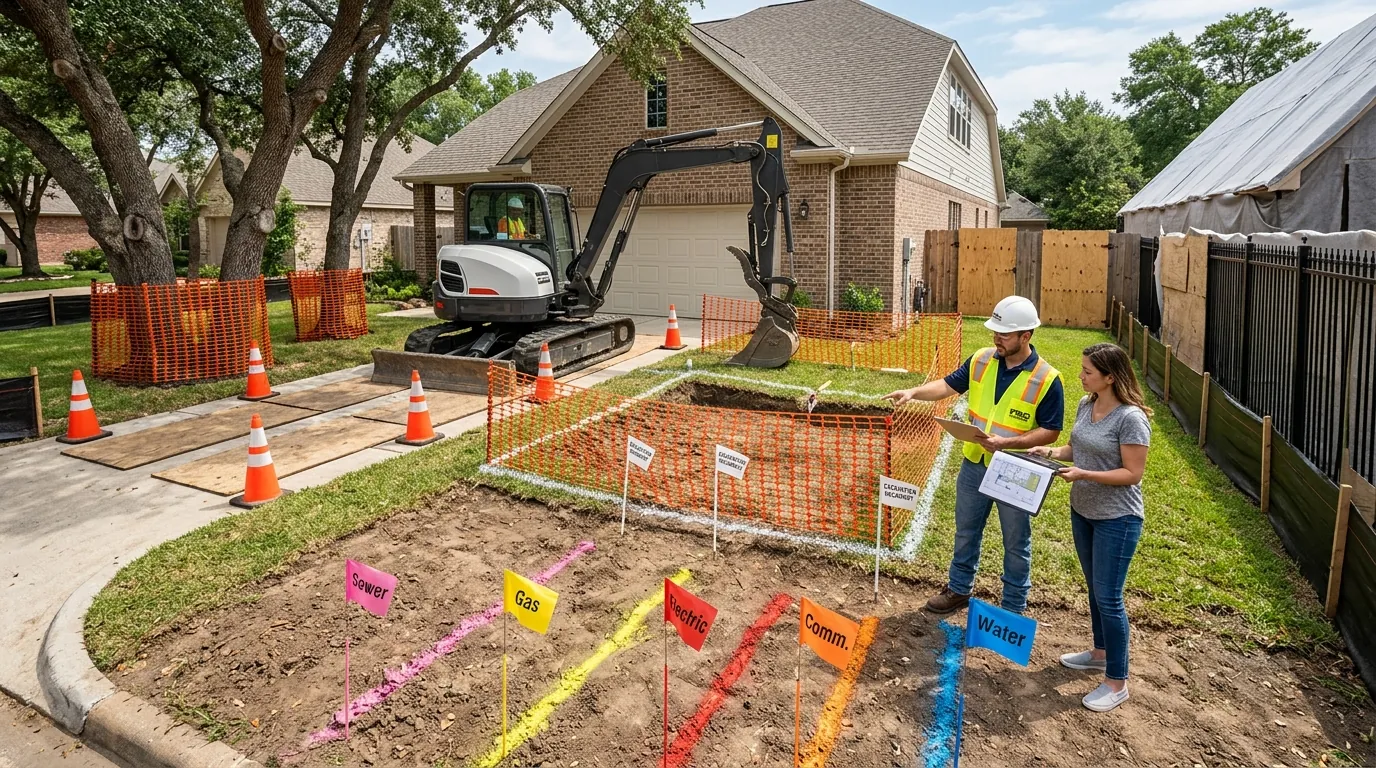
Underground utility lines must be found before any digging starts. Striking a buried gas line, electrical cable, water line, sewer line or communications line can cause situations, damage to property, interruptions in services and extra expenses.
Texas811 says that Texas law says homeowners and contractors need to call 811 at two business days before digging even if the work is happening in their own backyard. The service is free and utility companies use the request to mark the lines.
Do not think that digging a bit is always safe. The depth of utilities can be different. Texas advice says to call 811 before starting any digging project.
Common Underground Utilities to Check
Before digging make sure the proper utility locating process has been done for:
- Gas lines
- Water lines
- Electrical cables and pipes
- Sewer and drain lines
- Internet and cable lines
- Communication and phone lines
- Other buried utility or pipeline systems
Texas811 uses color codes to show underground utilities like yellow for gas, red for electric blue for drinking water, green for sewer and orange for communications.

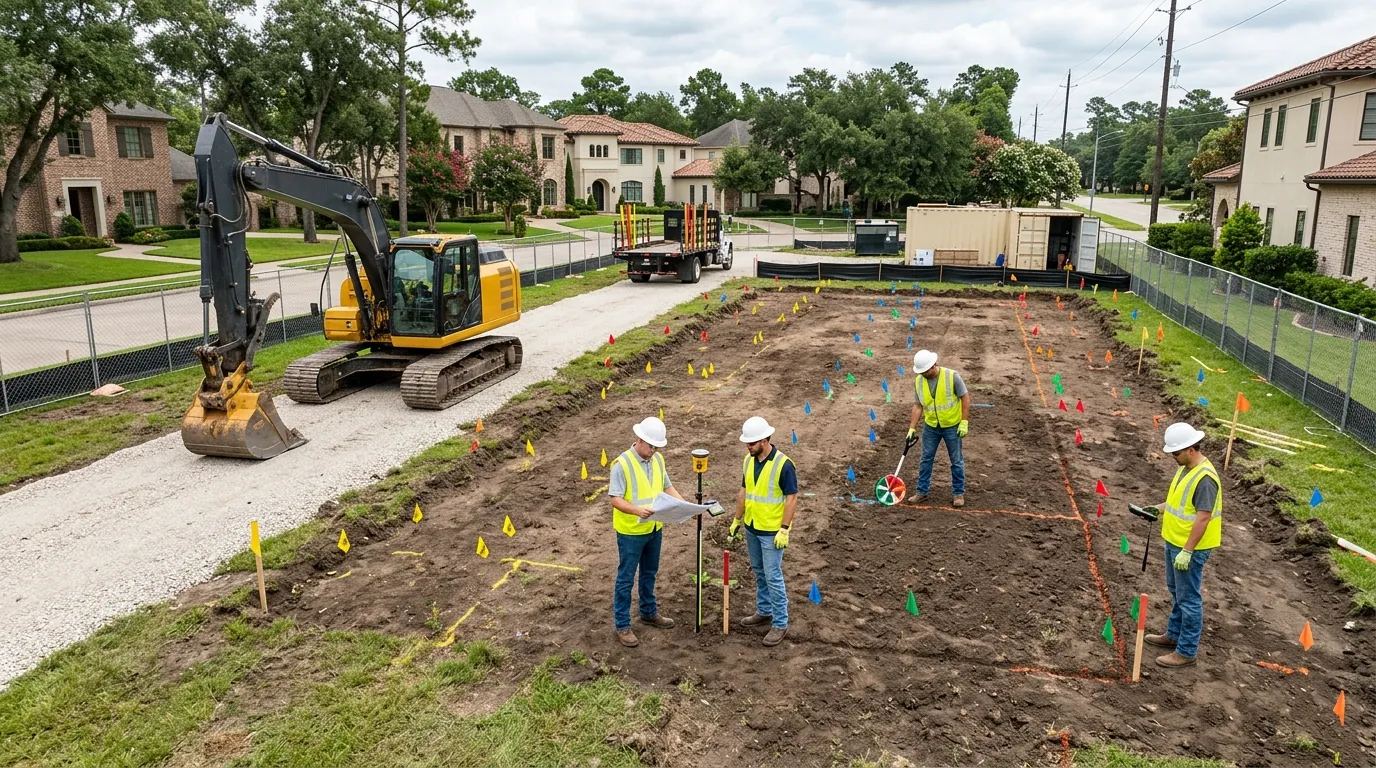
Clear the Area Where Digging Will Happen
The digging area should be as clear as possible before big machines arrive. Taking away things gives workers space to work and lowers the chance of damaging things by accident. Depending on the project you might have to move or change:
- Cars
- Outdoor furniture
- Garden items
- Building materials
- Fences or gates when needed
- Garden tools and machines
- Decorative things
- Other things in the way
Do not take away anything that could be connected to a utility or building without talking to the contractor. Some things might need to stay for safety or planning.
Make Sure Excavation Machines Can Get to the Property
Digging machines need enough space to come onto the property, reach the work area, move safely and leave when they are done.
Before work starts, talk about the width of the driveway, the size of the gate and the path the machines will use. Measure spots when needed instead of just guessing if the machines will fit.
Also think about things above, like tree branches, power lines, buildings and low spaces. Nearby buildings, walls, fences, plants and other structures might affect where machines can work.
If there is not space, tell the contractor before setting up the work. The contractor might choose machines or plan a different way to get in.
Get Ready for Soil, Dirt and Material That Is Dug Up
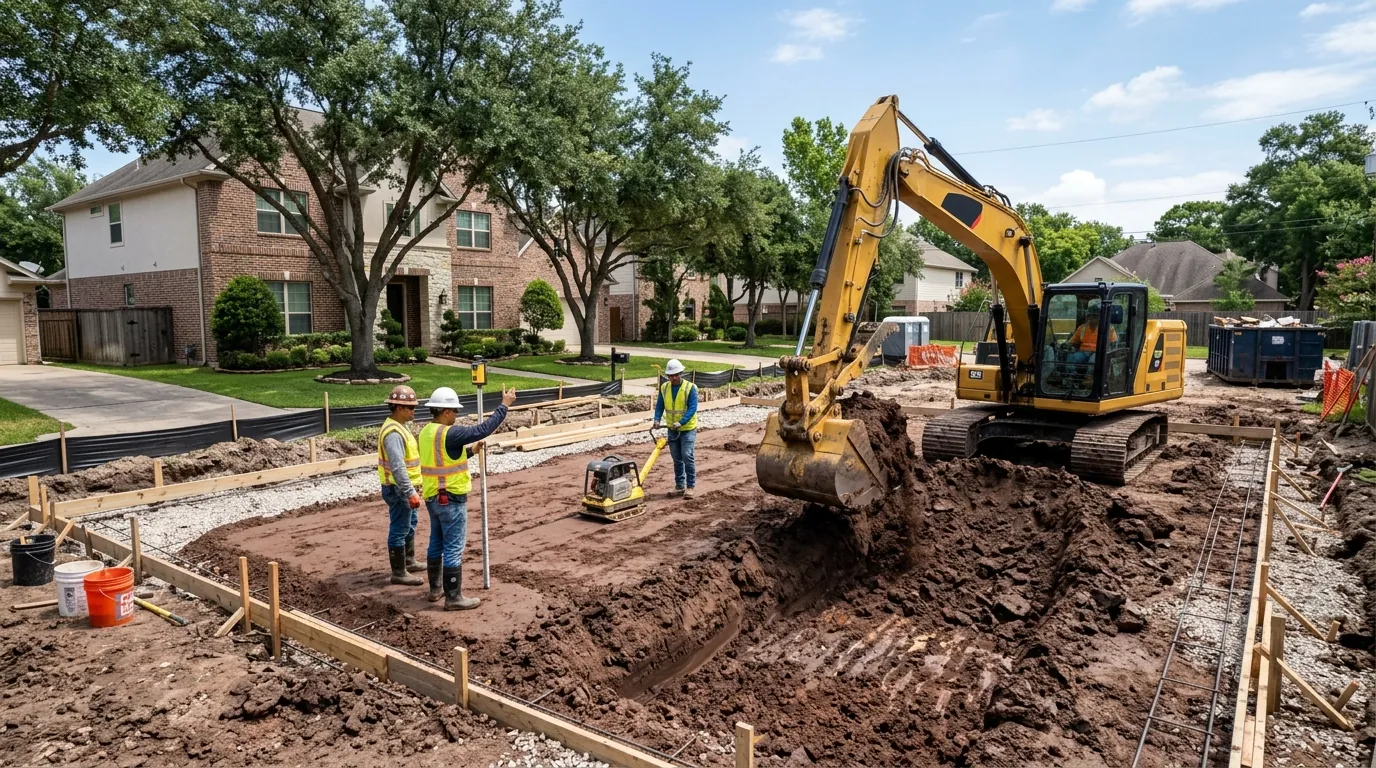
Digging can create a lot of dirt and other stuff. Before the first bit of dirt is taken out, decide what will happen to it.
Decide What Will Happen to the Dirt That Is Dug Up
Depending on the project and what the material is like choices might include:
- Using soil on the land
- Leveling or filling in
- Hauling the dirt
Talk about these choices with the digging company before work starts. This helps avoid piles of stuff becoming a problem.
Get Ready for Cleaning Up and Taking Away Waste
Digging and building projects can create dirt, concrete, plants, broken stuff and other waste. If the project also includes tearing down or clearing land the amount can be much bigger.
Ask your company for Excavation Services in Houston TX. Cleaning up and taking away the waste is part of the project. Find out what is being taken away where it is going and if the cost of getting rid of it is included. Planning this early can help keep the work area tidy and avoid delays, from much waste building up.
What to Discuss With Your Excavation Contractor Before Work Starts
A quick chat before the equipment arrives can stop misunderstandings. Make sure you discuss:
- Project boundaries: Where excavation starts and ends.
- Excavation depth: How deep the contractor needs to dig.
- Equipment access: Where machinery and trucks will enter and operate.
- Utilities: Whether the required utility locating has been completed.
- Permits: Who is responsible for permits and approvals.
- Soil removal: Whether excavated soil will remain on‑site. Be removed.
- Hauling: Who handles transportation and disposal.
- Cleanup: What condition the site should be left in after excavation.
- Project schedule: Expected start date work sequence. Anticipated completion.
Getting these details clear before excavation starts gives you an understanding of what to expect.

FAQs
What should I do before excavation starts on my property?
Clear the work area, identify utilities, confirm equipment access, discuss permits and decide how excavated soil and debris will be handled. Review the excavation project scope with your contractor.
Who marks utilities before excavation?
Texas811 coordinates utility locating. In Texas homeowners or contractors must contact 811 at least two business days before digging and affected utility operators will mark their lines.
Do I need to remove fences before excavation?
Not necessarily. Some fences or gates may remain, while others may restrict equipment access. Ask your excavation contractor whether a fence needs to be removed or relocated.
What happens to the dirt after excavation?
Depending on the project suitable soil may be reused for grading or backfilling. Excess dirt can be. Hauled away. Discuss soil handling and disposal with your contractor beforehand.
How much space does excavation equipment need?
There is no clearance requirement because equipment sizes vary. The contractor should evaluate driveway width, gate openings, overhead clearance, nearby structures and available maneuvering space before selecting equipment.
Get Your Houston Property Ready for Excavation
Preparing your property for excavation starts with understanding the project, clearing the work area, arranging utility locating, confirming access and discussing permits and material removal. These steps help create a more organized environment for excavation work.
If you need help preparing or excavating your property Fernandez Excavation LLC’s Excavation Services in Houston TX can be part of your project planning. Discuss your property, excavation needs, access conditions and project requirements with the contractor before work begins so the scope is clear, from the start.